Safest Cutting boards
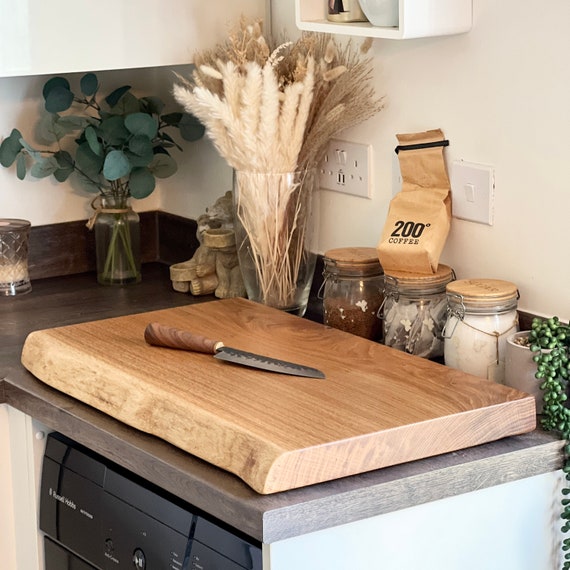
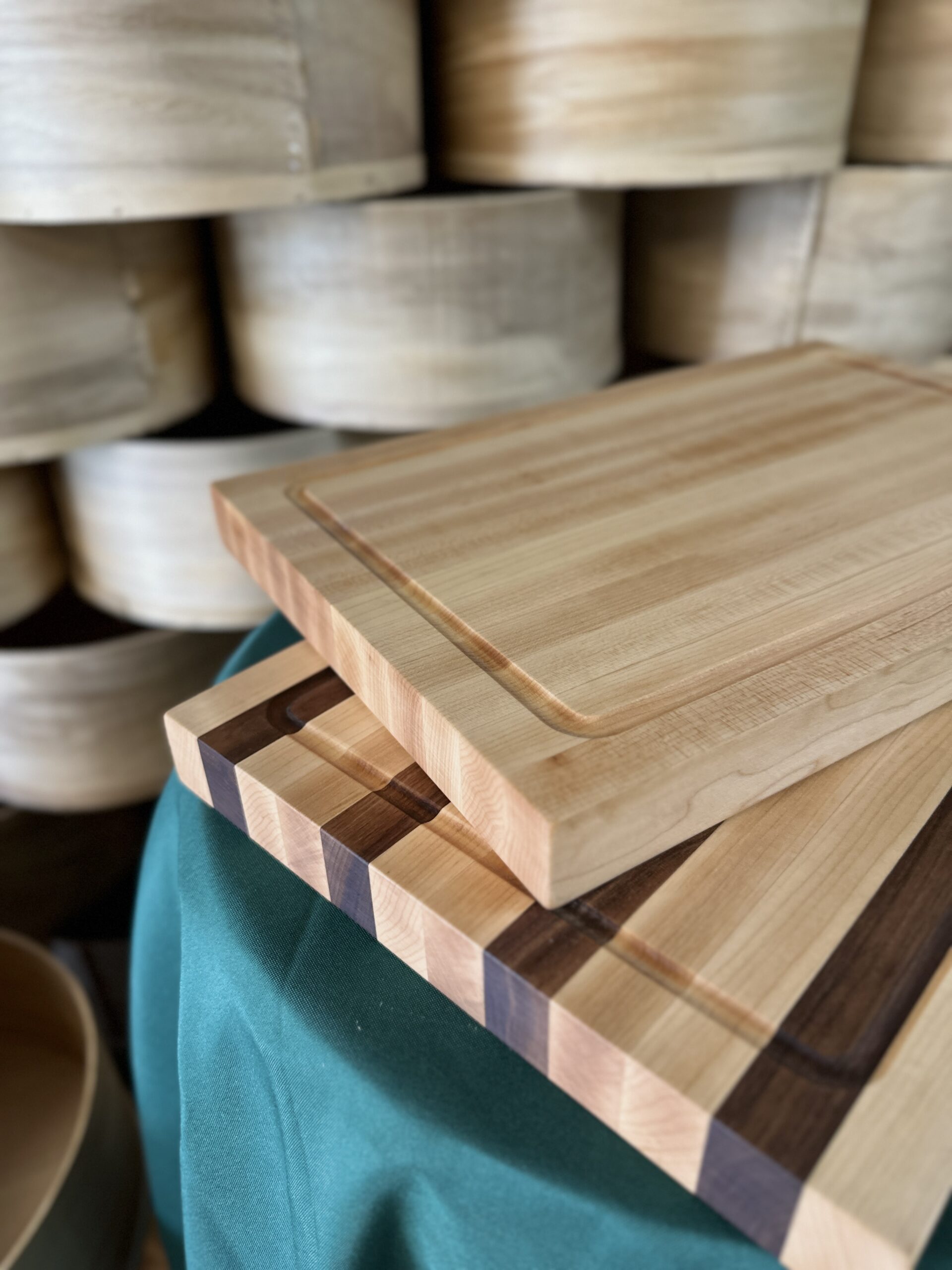
1. Wood (best overall)
Safest choice
Why:
- Natural antibacterial properties
- Does not shed microplastics
- Gentle on knives
- Proven lower bacterial survival vs plastic
Best woods:
- Maple
- Beech
- Walnut
Rules:
- Hand wash only
- Oil occasionally
- No dishwasher

2. Plastic
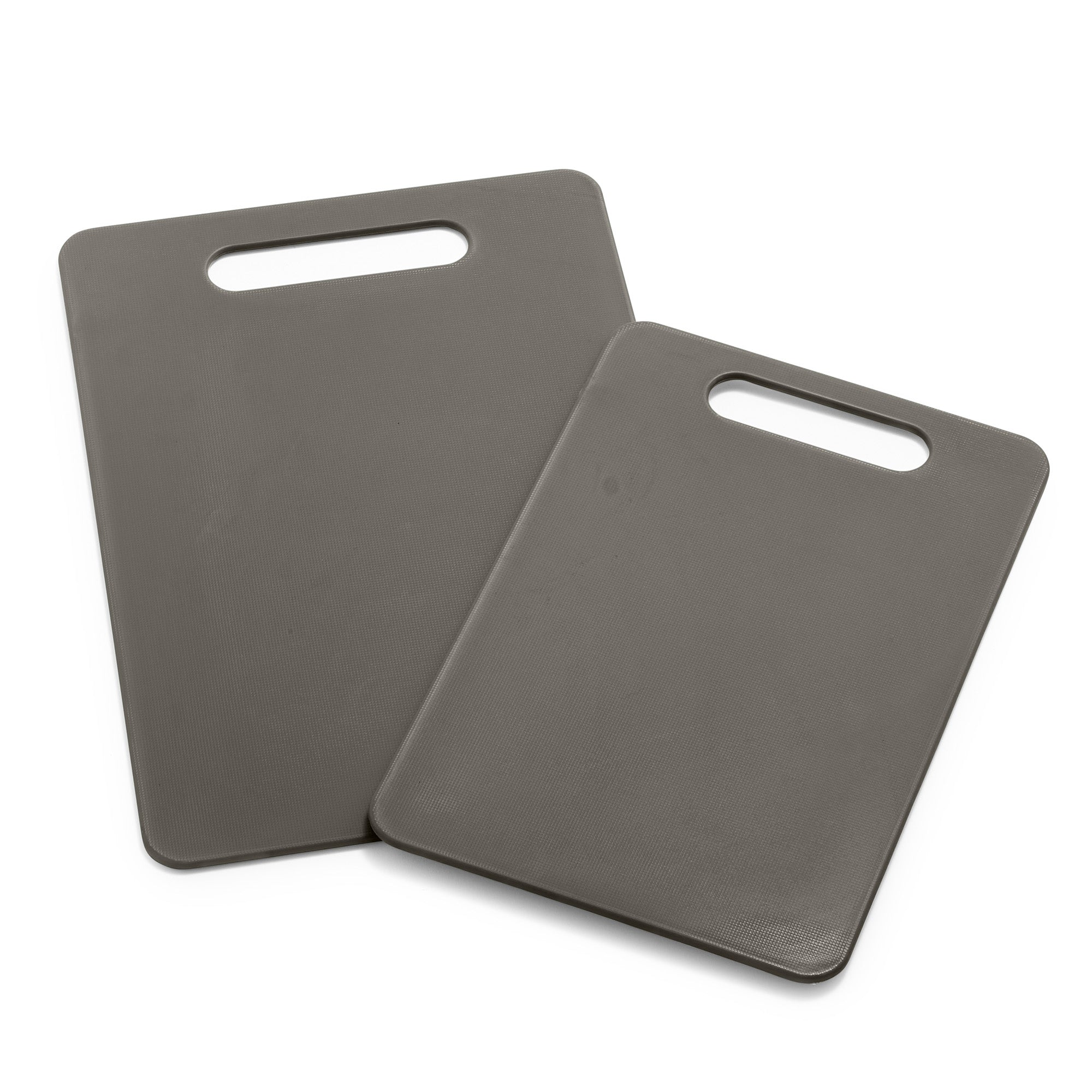
Worst long-term
- Knife cuts create grooves
- Releases microplastics
- Bacteria hide in scratches
Use case:
- Raw meat only
- Replace often

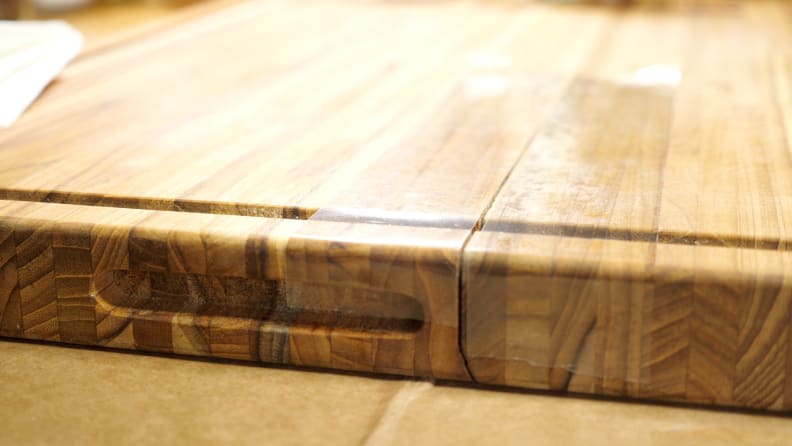
3. Bamboo (overrated)
Why:
- Glued strips (adhesives)
- Very hard → damages knives
- Cracks easily
- Not truly antibacterial

4. Glass / Stone / Marble
- Destroys knives
- No grip
- Slippery
- No safety advantage


Frying pan
1) Cast iron
Safest
Pros:
- Zero synthetic coatings
- No chemical breakdown
- Handles any heat
- Lifetime durability
Cons:
- Heavy
- Maintenance (seasoning)
- Reactive with acidic food
Best for:
- High heat
- Meat, eggs (once seasoned)
- Daily use if you accept upkeep


2) Stainless steel
Safest low-maintenance
Pros:
- No coating
- No degradation
- Dishwasher safe
- Works at any heat
Cons:
- Sticks without technique
- Possible trace nickel release (clinically insignificant for most)
Best for:
- Everything if you know heat control
- Long-term daily pan
3) Carbon steel
Cast iron lite
Pros:
- No synthetic coating
- Lighter than cast iron
- Becomes non-stick with seasoning
- High heat safe
Cons:
- Rusts if neglected
- Needs seasoning
- Reactive with acid
Best for:
- Eggs, stir-fry, high heat
- People who want cast iron performance without the weight

4) Ceramic-coated
Chemically safe, mechanically weak
Pros:
- PTFE-free
- No toxic fumes
- Easy at low heat
Cons:
- Coating wears fast
- Loses non-stick quickly
- Disposable lifespan
Best for:
- Low heat
- Short-term convenience


5) PTFE non-stick (Teflon)
Safe only if used correctly
Pros:
- Best non-stick
- Low oil cooking
Cons:
- Degrades if overheated
- Cannot use high heat
- Must be replaced when scratched
Rules:
- Never empty pan on heat
- Low to medium only
- No metal utensils
Best for:
- Eggs only
- Low heat, disciplined use


Leave a Reply