This guide provides a practical list of healthy whole foods and simple ways to prepare them.
Main goal
Find food that is:
• Non-inflammatory
• Enjoyable
• Healthy
• Nutrient-dense
• Simple to prepare
• Satiating
Boiling is one of the safest and simplest low-effort ways to cook food.
To cook the food you need the right Kitchen Appliance
- Cooking oil
-
Protein
- Eggs
Cooking oil
Lard
Coconut Oil
Nutritional highlights per 100 g:
• Fat: ~100 g
• Saturated fat: ~87 g
• Calories: ~892 kcal
• MCTs: high
• Carbohydrates: 0 g
• Protein: 0 g
Details:
• Choose 100% pure coconut oil
• Virgin or extra-virgin, unrefined coconut oil
Avoid:
• Hydrogenated coconut oil
• Products with added oils or ingredients
How to use:
• Good for cooking at moderate to high heat
• Use in reasonable amounts because it is extremely calorie-dense and very high in saturated fat.
Protein
Eggs
Cooking Effort: low
4 eggs a day as a general rule of thumb.
Best way is when yolk is liquid. Egg whites shouldn’t be burnt
Nutritional highlights per 100 g cooked:
• Protein: ~13 g
• Fat: ~11 g
• Choline: ~250 mg
• Vitamin B12: ~1.9 μg
• Selenium: ~31 μg
• Vitamin A: ~160 μg
• Riboflavin: ~0.5 mg
• Calories: ~155 kcal
How to cook:
1. Add coconut oil or lard to a pan .
2. Heat over medium heat.
3. Crack the eggs carefully without breaking the yolks
4. Gently move the egg whites around the pan so they cook evenly, while leaving the yolks undisturbed.
5. Cook until the whites are set, then gently remove the eggs from the pan without breaking the yolks.
Chicken meat
Cooking Effort: low
Details
• Chicken thighs (way more nutritious and tasty. It makes a very juicy soup.)
Additional details
• Free-range
• Antibiotic-free
Avoid
• Boneless meat. It’s usually drier and much more expensive.
• Chicken breast. Its dry and less flavourful. Don’t chose chicken breast don’t be a NPC.
Nutritional highlights per 100 g cooked:
• Protein: ~26 g
• Fat: ~10 g
• Vitamin B6: ~0.3 mg
• Selenium: ~25 μg
• Phosphorus: ~200 mg
• Zinc: ~2.5 mg
• Calories: ~209 kcal
How to cook:
- Remove the skin. It may contain harmful contaminants and it is annoying anyway.
- Put the chicken thighs in cold water, making sure they are fully submerged.
- Bring the water to a boil.
- Once the water starts boiling, boil the chicken thighs for 25-30 minutes.
- Remove the chicken from the broth.
Beef
Cooking Effort: low
Details
• Fresh, minimally processed
• No added ingredients or unnecessary additives
• Moderate amount of visible fat
• Leaner cuts for everyday eating
Extra Details
• Grass-fed
• Antibiotic-free
• Aberdeen Angus: a cattle breed known for good meat quality, tenderness, and marbling.
Beef liver
Cooking Effort: medium
Nutrient-to-price ratio is objectively elite.
Beef liver is extremely nutrient dense. Main issue is vitamin A overload
Safe practical range for most adults:
• 100 to 150 g per serving
• 1 to 2 times per week
Nutritional highlights per 100 g cooked:
• Protein: ~27 g
• Vitamin A: ~9,000 μg RAE
• Vitamin B12: ~70 μg
• Copper: ~14 mg
• Iron: ~6.5 mg
• Folate: ~145 μg
• Riboflavin: ~3.4 mg
• Calories: ~190 kcal
How to cook:
Onions are key when cooking liver. Their sweetness and caramelized flavour balance the strong, metallic taste of liver and make it much more palatable.
- Cut liver
Thin slices or small pieces - Cut onion
Half rings or cubes - Heat pan: Medium heat
- Add oil: Small amount
- Add onions
Cook 8-10 min
Stir sometimes
Until soft/golden - Add liver
Single layer if possible
Add salt - Cook first side
~1.5-2 min - Flip pieces
Cook second side
~1-2 min - Check inside
Slight pink = good
Grey all through = overcooked
Greek yogurt
Cooking Effort: none
Greek yogurt is a high protein dairy product. Very convenient and easy to eat regularly
Nutritional highlights per 100 g:
• Protein: ~10 g
• Calcium: ~110 mg
• Vitamin B12: ~0.8 μg
• Phosphorus: ~135 mg
• Potassium: ~140 mg
• Probiotics (live cultures)
• Calories: ~73 kcal
Sardine
Cooking Effort: none
Sardines
• No need for fish oil supplements
• Cheap
• Small enough to not accumulate a lot of heavy metals
• Skeleton is barely noticeable and not annoying like in big fish
Which type to choose:
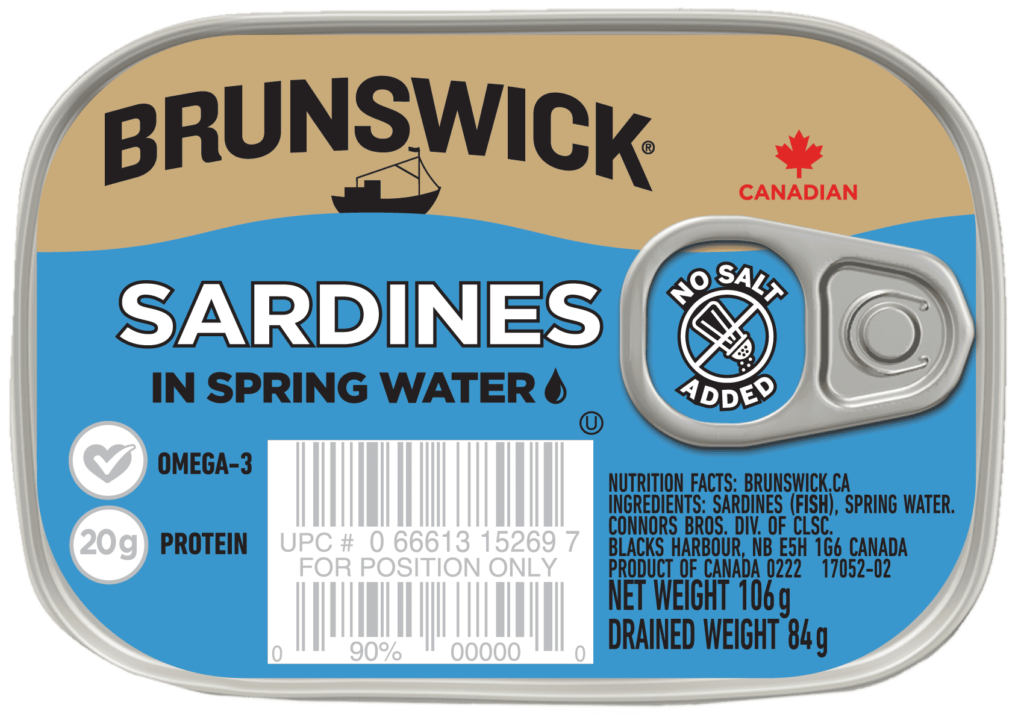
• In spring water
• In own juice
Ingredients: sardines, spring water
Nutritional highlights per 100 g:
• Protein: ~25 g
• Omega-3: ~2 g
• Vitamin B12: ~8.9 μg
• Vitamin D: ~4.8 μg
• Calcium: ~380 mg
• Selenium: ~53 μg
• Calories: ~208 kcal
Avoid:
- Additives
- Spices
- Oil
Carbs
Buckwheat
Cooking Effort: low
Why choose it over rice and wheat pasta:
• Doesn’t make you sleepy or cause brain fog
• Easier to cook
• Doesn’t cause inflammation, GI problems, or skin issues
• Better suited for long-term health
• More nutrient-dense than white rice and refined wheat pasta
Nutritional highlights per 100 g cooked:
• Carbohydrates: ~19.9 g
• Protein: ~3.4 g
• Fiber: ~2.7 g
• Magnesium: ~51 mg
• Manganese: ~0.4 mg
• Copper: ~0.1 mg
• Calories: ~92 kcal
How to cook:
1 part buckwheat : 3 parts water
Good ratio for buckwheat soft and moist rather than dry/fluffy
Use soup/broth instead of water for more flavourful buckwheat.
- Rinse the buckwheat under cold water.
- Add water and salt
- Bring to a boil over high heat.
- Reduce to medium heat and cover.
- Cook for 9 minutes.
- Check the texture
If it’s still too firm or dry, add a little hot water and cook for another few minutes. - Rest for 5 minutes covered before serving.
Fruits
Banana
Cooking Effort: none
One a day is enough. Makes everything taste better. You can add it to Greek yogurt or a protein shake.
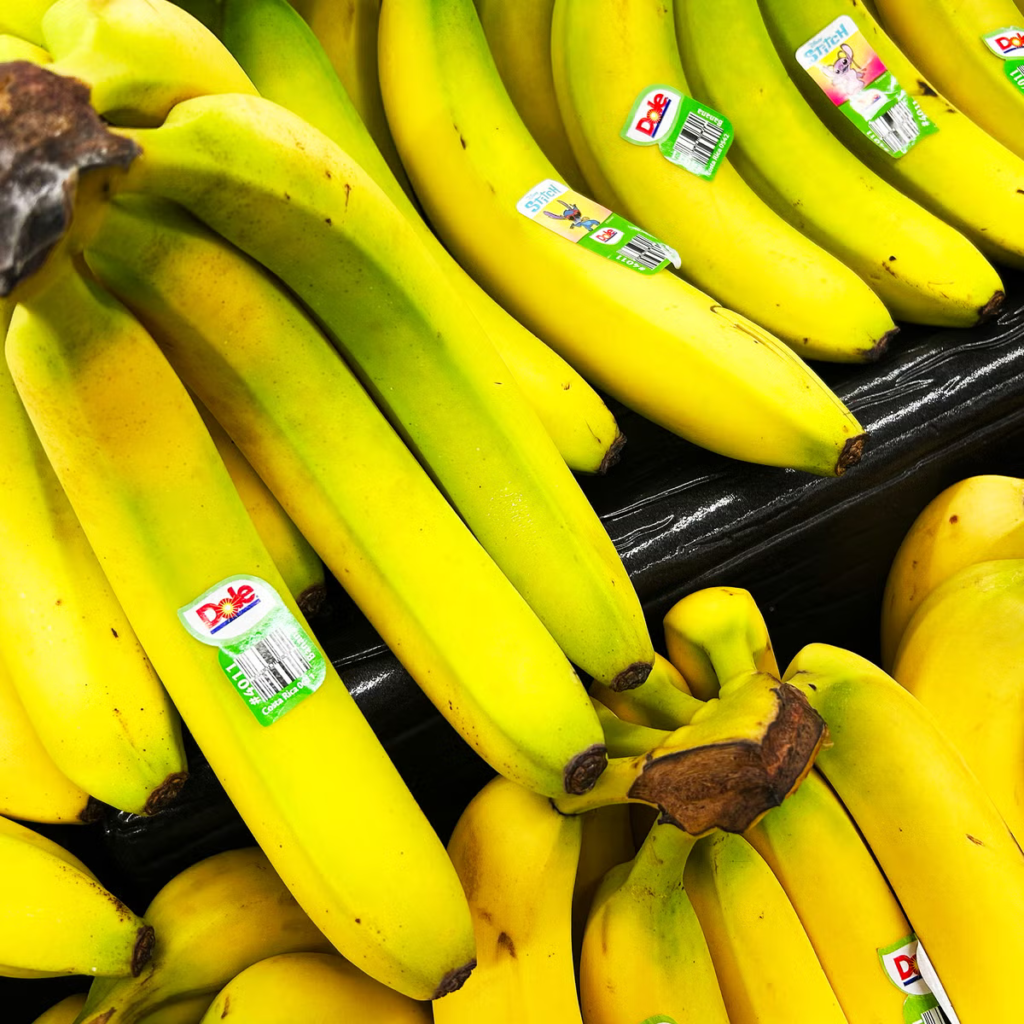
Choose yellow bananas with a little green so they won’t spoil as quickly and aren’t too sweet.
Nutritional highlights per 100 g:
• Potassium: ~358 mg
• Vitamin B6: ~0.4 mg
• Fiber: ~2.6 g
• Vitamin C: ~8.7 mg
• Carbohydrates: ~22.8 g
• Calories: ~89 kcal
Kiwi
Cooking Effort: none
Two medium-sized kiwis are enough to cover the daily requirement of vitamin C.
No need to peel it, just wash it with water. The fuzzy skin becomes softer after washing and is safe to eat.
Eating it with the skin provides more fiber, nutrients, and antioxidants.
Avoid eating kiwi at night because of its acidity.
Nutritional highlights per 100 g:
• Vitamin C: ~93 mg
• Fiber: ~3 g
• Potassium: ~312 mg
• Vitamin K: ~41 μg
• Vitamin E: ~1.5 mg
• Calories: ~61 kcal
Cola is advertised as a drink to have after heavy meals, but kiwi contains actinidin, which helps break down protein, without being the sugary, chemically loaded junk that cola is.
Blueberries
Cooking Effort: none
Blueberries are nutrient-dense, relatively low in calories, You can add it to Greek yogurt or a protein shake.
Underripe blueberries can be sour
Frozen blueberries are the best choice: they’re easy to store and are usually much cheaper than fresh ones.
Freezing preserves most of their nutritional value, and commercially frozen blueberries don’t require added potentially preservatives or chemicals to stay frozen.
Can be stored frozen for up to 12 months, compared with only a few days for fresh blueberries.
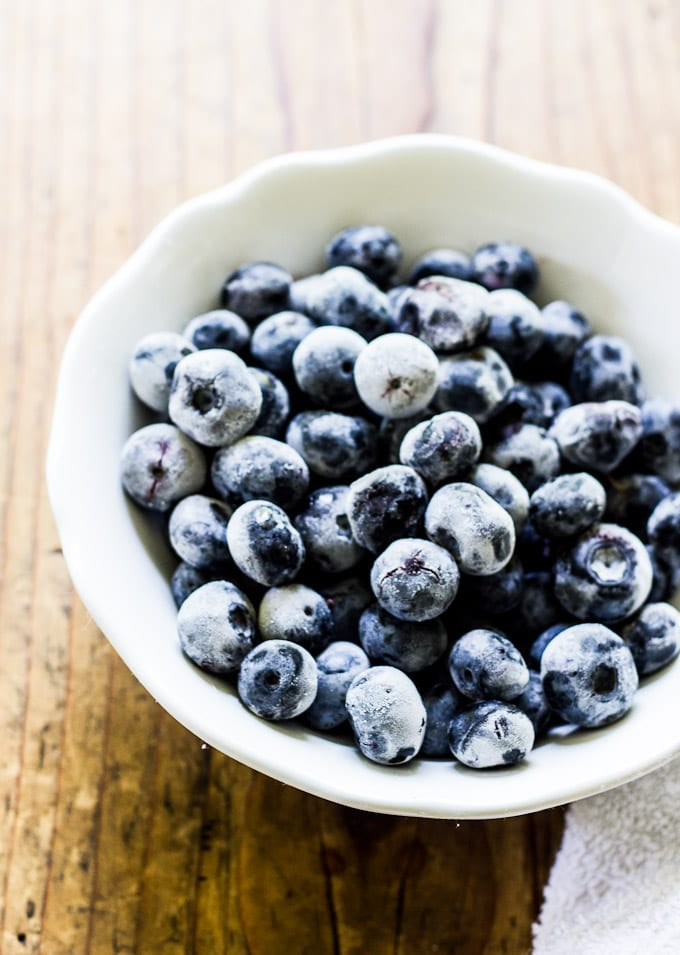
Thaw overnight in the refrigerator, or use the microwave on defrost for a quick option.
Nutritional highlights per 100 g:
• Vitamin C: ~10 mg
• Vitamin K: ~19 μg
• Fiber: ~2.4 g
• Manganese: ~0.3 mg
• Antioxidants: high in anthocyanins
• Calories: ~57 kcal
Carrot
Cooking Effort: none
A couple of medium carrots per week is enough.
• Rich in beta-carotene. Can give the skin a golden healthy tone.
Don’t eat too much or you could end up with yellow/orange skin, making people think you have liver failure.

• Hard food, good for chewing.
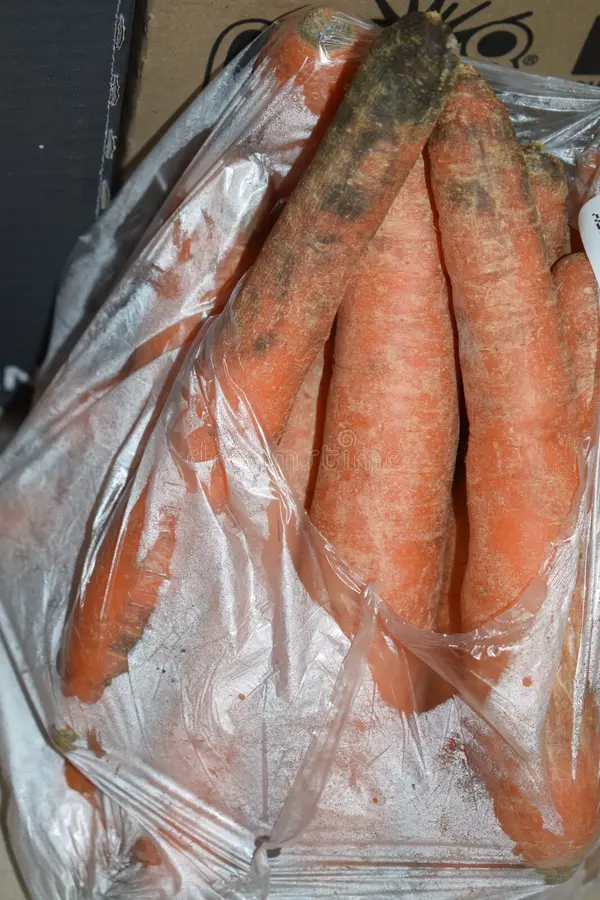
Don’t keep it in a sealed plastic bag. Moisture can build up and cause mold quickly.
How to cook
• No need to cook.
• Wash thoroughly and eat with the skin. Peeling isn’t necessary.
• If the skin is very dirty, damaged, or unpleasant, peel it.
Nutritional highlights per 100 g:
• Vitamin A: ~835 μg RAE
• Fiber: ~2.8 g
• Potassium: ~320 mg
• Vitamin K: ~13 μg
• Vitamin C: ~6 mg
• Calories: ~41 kcal
Fat
Avocado
Cooking Effort: none
Avocado is a nutrient-dense fruit and a good source of healthy fats. Very filling and easy to add to meals.
Taste is mediocre
Nutritional highlights per 100 g:
• Potassium: ~485 mg
• Fiber: ~6.7 g
• Healthy fats: ~15 g
• Vitamin E: ~2.1 mg
• Folate: ~81 μg
• Vitamin K: ~21 μg
• Calories: ~160 kcal
Basic bitches love putting it on toast for some reason. I wouldn’t do that.

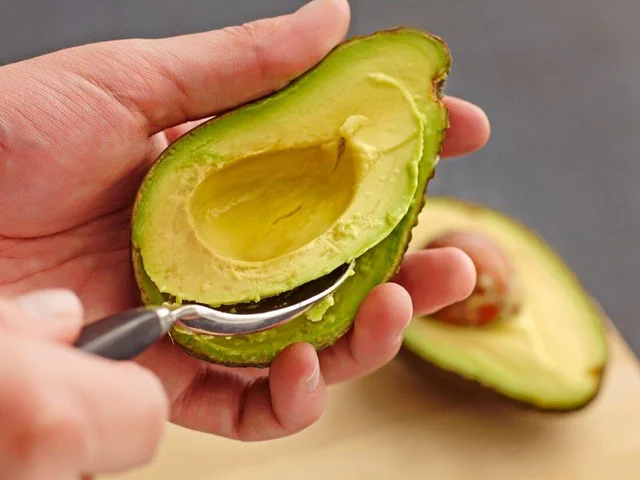
Just cut it in half, remove the seed, and scoop out the green stuff with a spoon.
Drinks
Water
No need to force yourself to drink something crazy like 3 L. Most people can drink intuitively, around 1 to 1.5 L depending on body weight and activity.
• Warm filtered water
• Drink water around 30 minutes before meals
• Drink enough throughout the day
• In the morning, drink warm water with supplements
• Don’t drink a lot of water before sleep
Carry a water bottle with you.

Cocoa Powder
Cooking Effort: very low
Easy to add to yogurt or protein shakes.
How to choose:
- 100% pure cocoa/cacao
- Unsweetened
- Higher-fat / non-defatted around 20–25%
- Non-alkalized
- Minimally processed
How to cook:
Natural cacao is bitter and sour on its own. The taste becomes much better when mixed with milk and honey.
Cacao drink
• 1 to 2 tbsp cacao
• 250 ml hot milk or mix with water 1×1 ratio
• 1 tsp honey, optional (no more, don’t make it a sugar bomb)
With milk:
- Heat 250 ml milk until hot, but don’t boil.
- Put 1 to 2 tbsp cacao in a cup.
- Add 2 to 3 tbsp hot milk and mix into a smooth paste.
- Add honey.
- Slowly add the rest of the milk while stirring.
With water + milk:
- Boil 125 ml water.
- Put 1 to 2 tbsp cacao in a cup.
- Add the boiled water and mix into a smooth paste.
- Add honey.
- Add 125 ml milk and stir.
Nutritional highlights per 100 g:
• Copper: ~3.8 mg
• Magnesium: ~500 mg
• Iron: ~13.9 mg
• Fiber: ~29 g
• Protein: ~20 g
• Fat: ~14 g
• Antioxidants: high in cocoa polyphenols
Avoid:
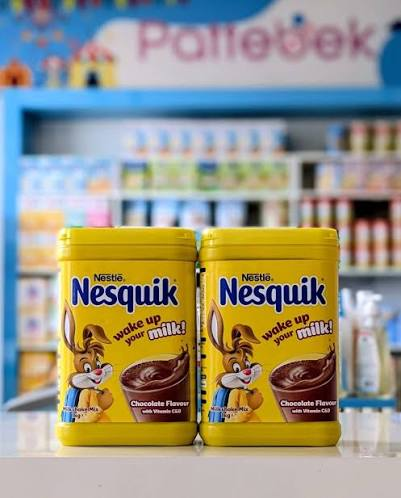
• Sugary imitation of cacao
Milk
How to choose:
• Whole milk, around 3 to 4% fat
• Ingredients: milk
• Grass-fed if available
Kinds of milk:
1) Lactose-free milk: regular milk with lactase added to break down lactose. Nutritionally very similar to regular milk.
2) A1 vs A2 milk
A1 and A2 are two types of beta-casein protein found in cow’s milk.
• A1: can produce a peptide called BCM-7 during digestion, which may cause digestive discomfort in some people.
• A2: does not produce BCM-7 in the same way and may be easier for some people to digest.
• Important: A2 milk still contains lactose, so it is not lactose-free.
3) Goat milk naturally contains slightly less lactose than cow’s milk, but it is not lactose-free.
It also tends to contain mostly A2-like beta-casein, but the exact protein profile varies.
Nutritional highlights per 100 ml:
• Protein: ~3.2 g
• Calcium: ~120 mg
• Potassium: ~150 mg
• Vitamin B12: ~0.5 μg
• Phosphorus: ~95 mg
• Fat: ~3.3 g
• Calories: ~60 kcal
Avoid:
•If you are lactose intolerant
•Flavored milk and added sugar